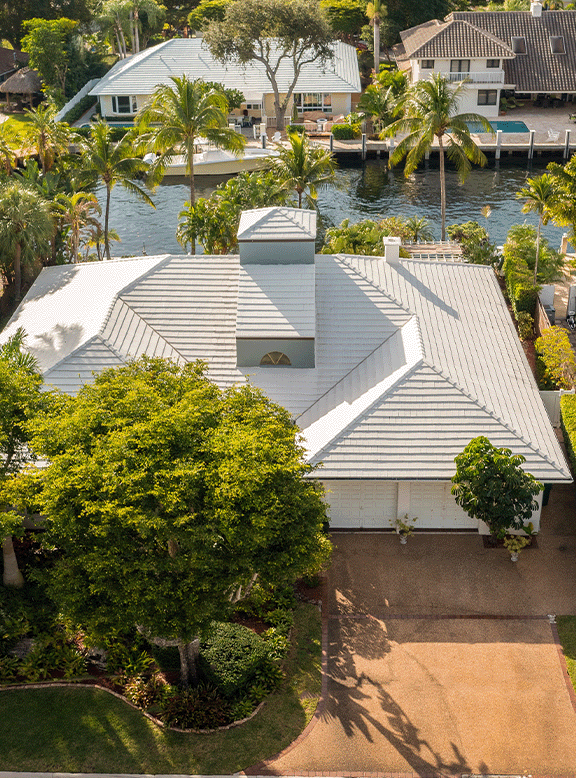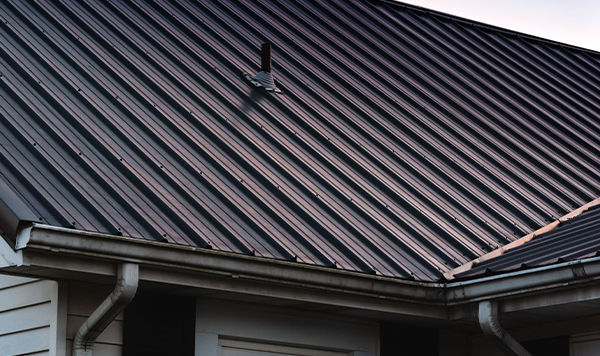
A proper roof inspection involves checking the roofing system for signs of damage, wear, leaks, drainage problems, previous repairs, and anything else that could become a problem later.
For homeowners in Palm Beach County and South Florida, roof inspections are especially important because our roofs deal with a little bit of everything—strong sun, heavy rain, high winds, tropical storms, and the occasional afternoon downpour that seems to arrive out of nowhere.
So, what exactly is a roofing contractor looking for during an inspection?
Quite a bit, actually.
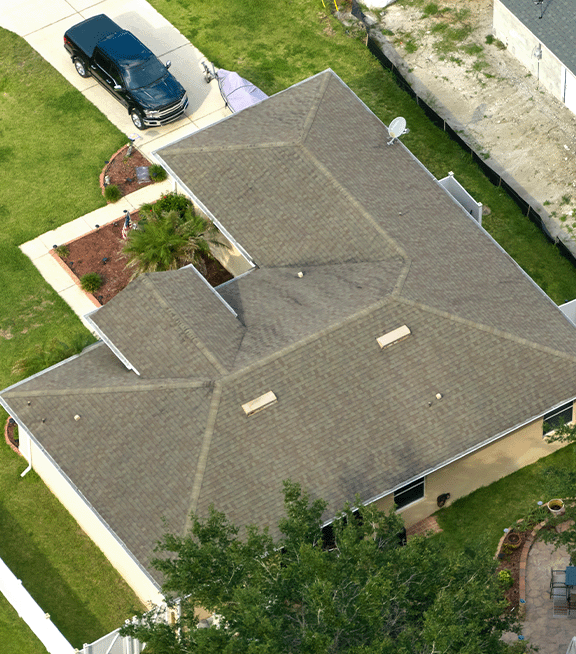
Before focusing on individual problem areas, a roofer will usually look at the roof as a whole.
They’re checking for signs of aging, deterioration, storm damage, previous repairs, and whether the roofing materials appear to be performing the way they should.
This helps answer an important question:
Is there one isolated problem, or are there several things happening at once?
A small leak may only require a simple roof repair, while multiple areas of deterioration could point to a larger issue.
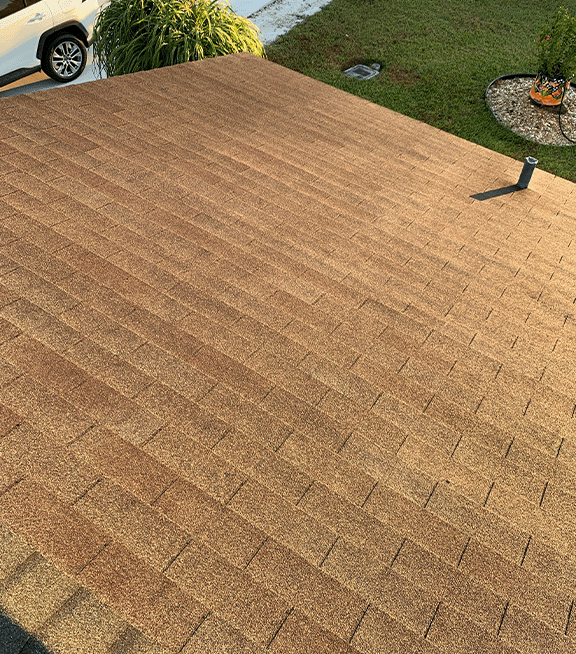
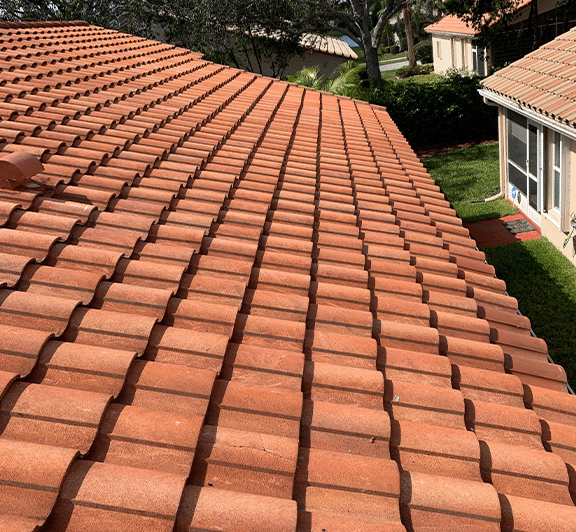
One of the most obvious things a roofer checks is the condition of the roofing material itself.
Depending on the roof type, this can include looking for:
Even small areas of damage can allow water to reach parts of the roofing system that are supposed to stay protected.
That doesn’t automatically mean you need a new roof.
Sometimes a tile roof repair, shingle roof repair, or localized flat roof repair may be all that’s needed.
Flashing is one of those roofing components most homeowners never think about until there’s a leak.
It’s installed around certain roof areas to help direct water away from openings and transitions.
A roofer may inspect flashing around:
Loose, damaged, improperly installed, or deteriorated flashing can sometimes be the source of a roof leak.
And because water is very good at finding tiny openings, even a small flashing issue can be worth addressing.
Roof valleys are areas where two roof slopes meet.
They also happen to be places where a lot of rainwater travels.
In South Florida, where “heavy rain” can sometimes feel like someone turned a garden hose directly onto your house, valleys need to drain properly.
During a roof inspection, a roofer may look for:
Because valleys handle so much water, problems in these areas can sometimes lead to leaks if they aren’t addressed.
Any place where something passes through the roof deserves a closer look.
This can include:
These areas often rely on flashing, sealants, boots, or other materials to keep water out.
Over time, those materials can crack, loosen, or deteriorate.
A roofer will typically check whether the area around the penetration is properly sealed and whether there are signs of previous leaking.
Yes, roofers inspect other roof repairs too.
A previously repaired area may still be perfectly fine.
But it can also tell the roofer a little bit about the history of the roof.
They may look for:
If one section of the roof has been repaired several times, it may indicate that there’s an underlying problem worth investigating.
In roofing, sometimes the patch tells a story.
Finding the source of a roof leak isn’t always as simple as looking directly above the water stain inside your home.
Water can travel underneath roofing materials before becoming visible indoors.
During a roof inspection, a contractor may look for signs such as:
When accessible, the attic may also be inspected for additional clues.
If attic access is available, checking underneath the roof can provide valuable information.
A roofer may look for:
Sometimes the roof looks relatively normal from the outside, but the attic tells a different story.
And sometimes the opposite happens: an old stain may be visible inside, but there’s no active leak.
That’s why looking at both sides of the roofing system can be helpful.
Ponding water is especially important on flat roofs and low-slope roofing systems.
After rainfall, some water may temporarily remain on the roof.
But if water consistently collects in the same areas or doesn’t drain properly, a roofer will likely take note.
Standing water can place additional stress on roofing materials and may contribute to deterioration over time.
During a flat roof inspection, a contractor may evaluate:
Your roof’s job doesn’t stop when water reaches the edge.
Water still needs somewhere to go.
Depending on the roofing system, a roofer may also look at gutters, downspouts, drains, and other drainage areas to make sure water isn’t backing up or collecting where it shouldn’t.
Leaves, debris, and other buildup can interfere with drainage and sometimes contribute to roofing problems.
Palm trees are nice.
Palm fronds in your drainage system? Less nice.
South Florida roofs see their fair share of strong weather.
After a storm, a roofer may look for signs such as:
Some storm damage is easy to see from the ground.
Other damage isn’t.
That’s one reason homeowners sometimes schedule a roof inspection after a storm, especially if they notice anything unusual.
Roof age provides important context.
A cracked tile on a relatively young roof may mean something very different than recurring leaks on an older roofing system that has already undergone several repairs.
The roofer may consider:
This helps determine whether a repair makes sense or whether the homeowner should start thinking about a future roof replacement.
Once the inspection is complete, the contractor should be able to explain what they found in plain language.
You should understand:
Not every roof inspection ends with bad news.
Sometimes the problem is minor.
Sometimes the roof simply needs maintenance.
Sometimes a small repair can help prevent a larger issue.
And yes, sometimes the inspection shows that the roof is nearing the end of its useful life.
At Linden Roofing, we inspect roofs throughout Palm Beach County and South Florida with the goal of helping homeowners understand what’s actually happening—not selling them something they don’t need.
We’ll take a look, explain what we find, and walk you through your options.
If you’ve noticed a leak, damaged roofing material, storm damage, or simply want to know how your roof is holding up, contact Linden Roofing to schedule a roof inspection.
Because sometimes it’s better to know what’s going on up there before your ceiling decides to tell you.
.svg)